Glaucoma - Early Detection Saves Sight
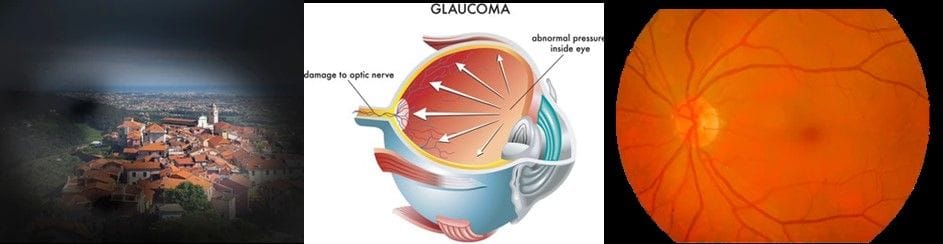
Glaucoma is a progressive eye disease that damages the optic nerve and can lead to permanent vision loss or blindness if left untreated. Because glaucoma often develops with no early symptoms, early detection through regular comprehensive eye examinations is the key to protecting your sight.
Who Can Get Glaucoma?
While glaucoma is commonly associated with older adults, it can occur at any age—even in children. This is why consistent eye health checks are essential for people of all ages, not just seniors.
You may be at higher risk of developing glaucoma if you have:
A family history of glaucoma
High eye pressure (intraocular pressure)
Diabetes
Short-sightedness (myopia)
Long-term steroid use
Previous eye injuries
Certain ethnic backgrounds
If you have risk factors, your optometrist may recommend more frequent monitoring.
What Causes Glaucoma?
Glaucoma is actually a group of eye diseases that damage the optic nerve. The most common type, Primary Open-Angle Glaucoma, occurs when clear fluid in the eye fails to drain properly, causing increased pressure that slowly harms the optic nerve.
Because vision changes are usually subtle or nonexistent in the early stages, many people are unaware they have glaucoma until damage has already occurred.
How We Detect Glaucoma
At Eyekonic Optometry, we use advanced diagnostic technology to detect glaucoma early. Your comprehensive eye exam may include:
OCT Scan (Optical Coherence Tomography): A high-resolution scan of the optic nerve to identify early structural changes.
Eye pressure testing (tonometry)
Visual field testing
Optic nerve evaluation
These tests allow us to detect glaucoma before vision loss begins.
Glaucoma Treatment Options
If glaucoma is diagnosed, early treatment can significantly slow its progression. Treatment options depend on the type and severity of glaucoma and may include:
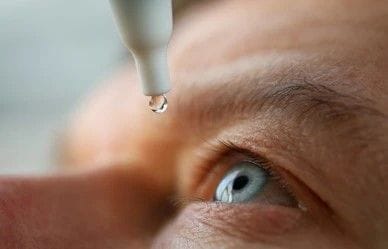
Prescription eye drops
Oral medications
Laser treatment
Surgical procedures (performed by an ophthalmologist)
The goal of treatment is to lower eye pressure, preserve remaining vision, and prevent further optic nerve damage.
Protect Your Vision
Glaucoma is serious but manageable when detected early. Regular eye examinations, especially for those at higher risk, are vital for lifelong eye health.
If you have concerns about glaucoma or your risk factors, speak to our optometrists. We’re here to guide you through diagnosis, monitoring, and ongoing care to help protect your vision.