Worried About Macular Degeneration? Here’s What You Need to Know
Age-related Macular Degeneration (AMD) is one of the leading causes of vision loss in Australians over 50 — and it often develops without obvious early symptoms.
AMD affects the macula, the part of your retina responsible for sharp, central vision. This is the vision you rely on for:
Reading
Driving
Recognising faces
Using your phone
Watching TV
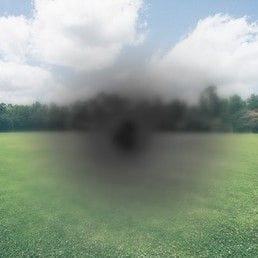
When the macula deteriorates, central vision becomes blurred, distorted, or dark — while side vision often remains normal.
The earlier AMD is detected, the more we can do to protect your sight.
The Two Types of AMD
Dry AMD (More Common - About 80-90% of Cases)
Dry AMD develops gradually as the macula thins over time. Small yellow deposits called drusen build up beneath the retina, affecting vision quality.
Symptoms may include:
There is currently no cure for dry AMD — but early detection allows us to monitor changes closely and slow progression.
Wet AMD (Less Common - More Serious)
Wet AMD occurs when abnormal blood vessels grow under the retina and leak fluid or blood. This can cause rapid scarring and sudden vision loss.
Warning signs include:
Sudden distortion (straight lines look wavy)
Rapid central vision loss
Dark or blank spots in your vision
Wet AMD requires urgent referral and treatment to prevent permanent damage.
Are You at Risk?
You may have a higher risk of developing AMD if you:
If this sounds like you, regular eye examinations are essential — even if your vision feels “fine”.
How We Detect AMD Early
At Eyekonic Optometry Baulkham Hills, we use advanced diagnostic technology to detect AMD at its earliest stages — often before symptoms begin.
Your assessment may include:
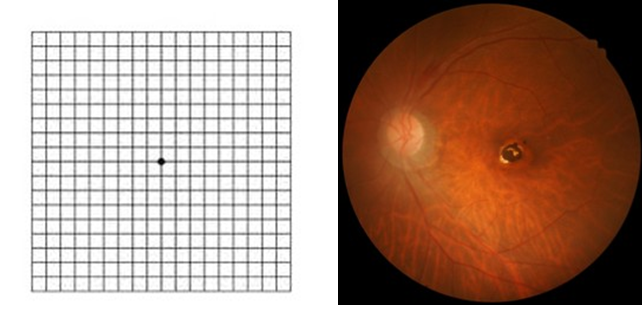
- Retinal imaging to document structural changes
- Optical Coherence Tomography (OCT) to scan beneath the retinal surface
- Amsler grid testing to detect distortion
- Comprehensive macular evaluation
Early detection means better protection of your vision.
Treatment Options
For Dry AMD
While there is no direct treatment yet, management may include:
Specific evidence-based nutritional supplements (for certain stages)
Dietary guidance (leafy greens, omega-3 rich fish, colourful vegetables)
Lifestyle changes (especially smoking cessation)
Regular monitoring to detect progression
For Wet AMD
Wet AMD can often be managed with:
Anti-VEGF injections to reduce abnormal blood vessel growth
Specialist ophthalmology referral
In some cases, laser-based treatment
The sooner wet AMD is treated, the better the outcome.
Living Well With AMD
If vision changes occur, you are not alone. We can help with:
Our goal is not just diagnosis — it’s helping you maintain quality of life.
Protect Your Vision Before It’s Too Late
AMD often develops silently. Many patients are shocked when changes are detected during a routine eye exam.
If you’re over 50 — or have risk factors — now is the time to act.
Book your comprehensive macular assessment at Eyekonic Optometry Baulkham Hills today.
Your central vision is too important to leave to chance.